
Country Guides
New Zealand Visa: What You Need on a German, Austrian or Swiss Passport
On a German, Austrian or Swiss passport you need no visa for a New Zealand holiday of under three months, but you do need an NZeTA before you fly, and with it you pay the NZD 100 visitor levy (IVL). Staying longer, working, studying or emigrating each needs its own visa, and which one depends on your plans and, for a working holiday, on your passport.
Migration rules change regularly. Treat this article as a policy snapshot and confirm current requirements with a licensed advisor before relying on it.
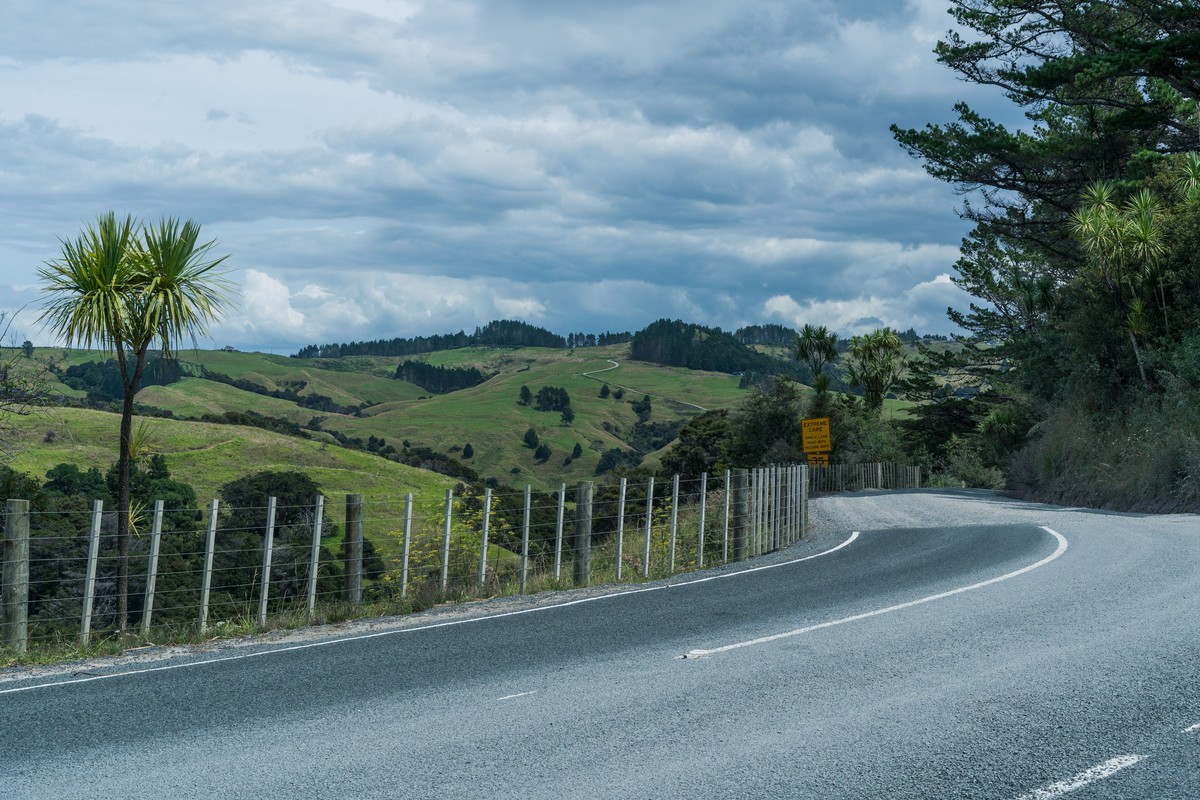
Photo: Photo by Gaurav Kumar on Pexels (https://www.pexels.com/photo/beautiful-new-zealand-landscape-20486661/)
On a German, Austrian or Swiss passport you need no visa for a New Zealand holiday of under three months, but you do need a New Zealand Electronic Travel Authority (NZeTA) before you fly, and with it you pay a NZD 100 visitor levy. Which New Zealand visa you need becomes a real question only when you want to stay longer, work, study or emigrate. Then your plans decide it, and on one point the three passports differ: the working holiday.
New Zealand visa: what you need for what you plan
The table matches common plans to the document Immigration New Zealand (INZ) requires. It applies to all three passports unless it says otherwise.
| What you plan | What you need | The limit that matters |
|---|---|---|
| Holiday, family visit, touring | NZeTA | up to three months per visit, no more than six months in any 12 months |
| Changing planes in Auckland | NZeTA for transit | transit area only, up to 24 hours |
| Travelling for longer than three months | Visitor Visa, applied for before you leave | no more than nine months in 18 months |
| Working for an employer or clients outside New Zealand | Visitor visa (on arrival with an NZeTA, or a Visitor Visa) | no work for New Zealand employers |
| Short language course | NZeTA or Visitor Visa | courses of up to three months |
| Working holiday | Working Holiday Visa | Germany: aged 18 to 30, up to 12 months; Austria: aged 18 to 30, up to six months; Switzerland: no scheme |
| Study for longer than three months | Student visa | offer of place and proof of funds |
| Working for a New Zealand employer | Accredited Employer Work Visa (AEWV) or a Green List visa | a job with an accredited employer |
| Emigrating | Resident visa, for example through the Skilled Migrant Category | aged 55 or younger, a job with an accredited employer |
| Moving with your partner | Partner visa | the status of the partner you live with |
Three travellers, three different answers
These three cases are hypothetical, built from the rules described below.
The Weber family from Munich plan five months in a campervan. An NZeTA allows three months at most in one go, so they apply for a Visitor Visa before they leave and show the monthly funds INZ requires.
Jonas from Graz, 24, wants to travel and pick up work on the way. On his Austrian passport he can apply for a Working Holiday Visa for up to six months. INZ makes 100 of these available to Austrians each year.
Claudia from Zurich, 26, has the same plan, but Switzerland has no working holiday scheme with New Zealand. She can travel for up to three months on an NZeTA and keep working for her Swiss employer. A job in a New Zealand café would need a work visa.
No visa, but an NZeTA: holidays of up to three months
Germany, Austria and Switzerland are on New Zealand’s list of visa waiver countries. For a visit of less than three months you need no Visitor Visa, but you must have an NZeTA before you travel. The limit is the same for all three passports; only British passport holders get six months.
The NZeTA is an electronic travel authority, not a visa. INZ grants the visitor visa on arrival, and you apply for it through the arrival declaration described below.
- Validity: two years, for any number of trips. Each visit can last up to three months, with no more than six months in New Zealand in any 12-month period, counted back from your planned departure date. Two three-month trips within 12 months are allowed; a third in that period is not.
- Cost: NZD 17 through the official NZeTA app or NZD 23 through the INZ website, plus the International Visitor Conservation and Tourism Levy (IVL), a visitor levy of NZD 100. You pay the IVL with every NZeTA request, and INZ does not refund it even if the request is declined.
- Processing: INZ advises allowing 72 hours.
- Passport: request the NZeTA on the passport you will travel on.
- Family: every traveller needs their own NZeTA, children included. The app takes up to 10 people at once.
- Transit: changing planes in Auckland still needs an NZeTA; you stay in the transit area for no more than 24 hours and pay no IVL. Auckland is the only New Zealand airport with a transit area.
New Zealand entry requirements: what counts at check-in and on arrival
The NZeTA gets you on the plane; it does not decide whether you are let in. At check-in and at the border INZ checks the same requirements whether you hold an NZeTA or a visa.
- Passport: valid for at least three months after the date you plan to leave New Zealand. If it is close to expiry, the airline may refuse to check you in.
- Onward travel: on an NZeTA you show a paid ticket out of New Zealand at check-in, with a departure date within three months of arrival. On a Visitor Visa, proof you can pay for such a ticket also counts.
- Money: at least NZD 1,000 a month, or NZD 400 a month if your accommodation is already paid for. Bank or credit card statements and receipts for prepaid accommodation are typical evidence. If you need a sponsor to cover your costs, you cannot travel on an NZeTA and must apply for a visa.
- Purpose, health and history: you must come as a visitor, intend to leave and be in good health. A criminal conviction or a past deportation from another country can mean INZ finds you do not meet its character requirements.
- Arrival declaration: every traveller, children included, completes the New Zealand Traveller Declaration (NZTD). It is free, can be submitted online or in the NZTD app from 24 hours before your trip begins, and collects customs, immigration and biosecurity information.
- Medical costs: you pay for any health care you need in New Zealand. INZ recommends full medical insurance for your whole stay.
INZ can refuse entry if it does not accept you as a genuine visitor, if your circumstances have changed since your NZeTA or visa was approved, or if you can show neither onward travel nor the money for it.
Staying longer than three months: the Visitor Visa
To stay longer than three months you need a suitable visa before you arrive, which for travel and visits means the Visitor Visa. INZ advises applying before you leave, because you may otherwise be refused entry under the visa waiver even with an NZeTA.
The Visitor Visa allows stays of up to six or nine months, never more than nine months in an 18-month period. A multiple-entry visa allows up to six months in each 12-month period. If you want more than six months in one go, INZ may issue a single-entry visa, which expires the moment you leave the country. A side trip to Australia ends it.
Working for a New Zealand employer is not allowed; studying for up to three months in any 12-month period is. You may work for employers or clients outside New Zealand: according to INZ, all visitor visas applied for on or after 27 January 2025 allow remote work with no time limit, as long as it is not for a New Zealand business and does not require you to be in New Zealand.
For stays of more than six months, INZ requires a chest X-ray if you have spent more than three months in the last five years in a country without a low incidence of tuberculosis. Our Visitor Visa page describes how we help with an application.
Extending once you are in New Zealand
If you are already here and need more time for a genuine reason, apply for a new Visitor Visa before your current visa expires, including if you arrived on an NZeTA. INZ issues the new visa as single-entry, and the nine-months-in-18 limit still applies. If your visa expires while INZ is deciding, you will normally get an Interim Visa that keeps you here lawfully.
Not sure which visa fits your plans? Answer a few questions for a first pointer, then book a consultation in which we work through which route fits your circumstances.
Working holiday or study: the Working Holiday Visa and the student visa
Working holiday: yes for Germany and Austria, no for Switzerland
The Working Holiday Visa lets young people from countries with a scheme travel in New Zealand and work in temporary jobs, with no job offer needed. This is where the three passports differ most:
- German passport: aged 18 to 30, up to 12 months, at least NZD 4,200 for living costs.
- Austrian passport: aged 18 to 30, up to six months, at least NZD 2,250; INZ makes 100 visas available each year.
- Swiss passport: Switzerland is not on INZ’s list of working holiday countries, and without an agreement INZ cannot grant a Working Holiday Visa.
On either scheme you need full medical insurance for your whole stay and must plan to leave at the end. You can study or train for up to six months, but you cannot take a permanent job. A partner or child needs their own visa. To work longer term or take a permanent job, INZ says you need a work visa such as the AEWV.
Study beyond three months: the student visa
Courses of up to three months are possible as a visitor. Longer study needs a student visa, and INZ is explicit that three months of a diploma or degree does not count as a short course.
If you pay your own tuition, alone or with family support, you apply for the Fee Paying Student Visa. You need an offer of place from an approved education provider, funds for tuition and living costs (NZD 20,000 a year for study of a year or more, NZD 1,667 a month for shorter study) and insurance your provider accepts. Depending on your visa conditions you can work up to 25 hours a week during study and full-time in the holidays. INZ issues the visa for up to four years and recommends applying at least three months before you travel. More on our student visas page.
Working and emigrating: work visas and residence
Working for a New Zealand employer or living in New Zealand for good works the same way on all three passports. Almost every route runs through a job with an employer INZ has accredited.
- Accredited Employer Work Visa (AEWV): the standard work visa. You need an offer of full-time work (at least 30 hours a week) from an accredited employer and, depending on the job, work experience or a qualification; for jobs at skill levels 3 to 5 you must also show you speak and understand English. It runs for up to five years depending on the job and can lead to residence.
- Green List: a job on Tier 1 of the Green List leads to the Straight to Residence Visa, with residence and no work period first. A Tier 2 job leads to the Work to Residence Visa once you have worked in New Zealand for 24 months in a Tier 2 role.
- Skilled Migrant Category (SMC): residence for skilled workers. You need a job or job offer with an accredited employer and must meet one of three pathways: points-based, Skilled Work Experience, or Trades and Technicians. You submit an Expression of Interest first, and INZ then invites you to apply.
For all three resident visas you must be 55 or younger when you apply. You can include your partner and dependent children aged 24 or younger, and the visa lets you live, work and study in New Zealand indefinitely.
Our guide to New Zealand work visas compares which work visa fits your situation. Health, police certificates and English, which every one of these applications tests, are in our guide to the requirements for emigrating to New Zealand. Temporary work visas for projects and secondments are on our short-term work visa page.
If you are moving with your partner, the partner visa open to you depends on the status of the partner who already lives in New Zealand or is getting a visa there. Our guide to New Zealand partner visas sorts the cases.
Applying for a New Zealand visa: where and what it costs
You request the NZeTA yourself through the official app or the INZ website. For every other visa here INZ offers an online application; for the AEWV, your employer sends you the link to the form. Since 1 October 2026, Visitor Visa applications can only be made online.
The New Zealand Government sets the charges. INZ shows a starting figure on each visa page and the exact amount once you enter your country. As at October 2026:
| Document | Cost according to INZ |
|---|---|
| NZeTA | NZD 17 (app) or NZD 23 (website), plus the NZD 100 IVL |
| Visitor Visa | from NZD 441 |
| Fee Paying Student Visa | from NZD 850 |
| Accredited Employer Work Visa | from NZD 1,540 |
| Resident visa (SMC, Straight to Residence, Work to Residence) | from NZD 6,450 |
The IVL is charged not only with the NZeTA but also with most Visitor Visas, student visas and the Working Holiday Visa.
Mistakes that put a trip or an application at risk
Booking flights before the Visitor Visa is granted. INZ recommends not booking non-refundable travel until your visa is approved.
Requesting the NZeTA on a different passport. The details on your NZeTA must match the passport you travel on. Check before you fly, especially if your passport is new.
Assuming every passport gets a working holiday. There is none for Swiss passport holders, and the Austrian scheme lasts six months at most.
Working for a New Zealand business as a visitor, even for bed and board. INZ counts accommodation or food as payment too, so working for a free bed at a New Zealand business is work, and it needs a visa that allows work.
Finding the right route
For a holiday the NZeTA is enough, and you request it yourself. Once you want to stay longer, work, study or emigrate, the right visa depends on your plans, your age, your passport and, on many routes, a job with an accredited employer, and the order of the steps often matters too. Our Licensed Immigration Advisers check your case before anything is lodged. Book a consultation and bring your travel plans and, if you have one, your job offer.
Sources
- Visa waiver countries and territories, Immigration New Zealand
- New Zealand Electronic Travel Authority (NZeTA), Immigration New Zealand
- Paying the International Visitor Levy, Immigration New Zealand
- Immigration fee and levy table, rates from 1 October 2024, Immigration New Zealand, 1 October 2024
- Before you travel to New Zealand, Immigration New Zealand
- New Zealand Traveller Declaration, New Zealand Government
- Visitor Visa, Immigration New Zealand
- Working remotely in New Zealand on a visitor visa, Immigration New Zealand
- Who can apply for a working holiday visa, Immigration New Zealand
- Germany Working Holiday Visa, Immigration New Zealand
- Austria Working Holiday Visa, Immigration New Zealand
- Fee Paying Student Visa, Immigration New Zealand
- Accredited Employer Work Visa, Immigration New Zealand
- Straight to Residence Visa, Immigration New Zealand
- Work to Residence Visa, Immigration New Zealand
- Skilled Migrant Category Resident Visa, Immigration New Zealand